Stage Costumes
Stage Costumes
Character and ensemble designs developed through concept sketches, fabrication choices, and performance-driven visual storytelling.
The Process
Sketch
Production
Stage
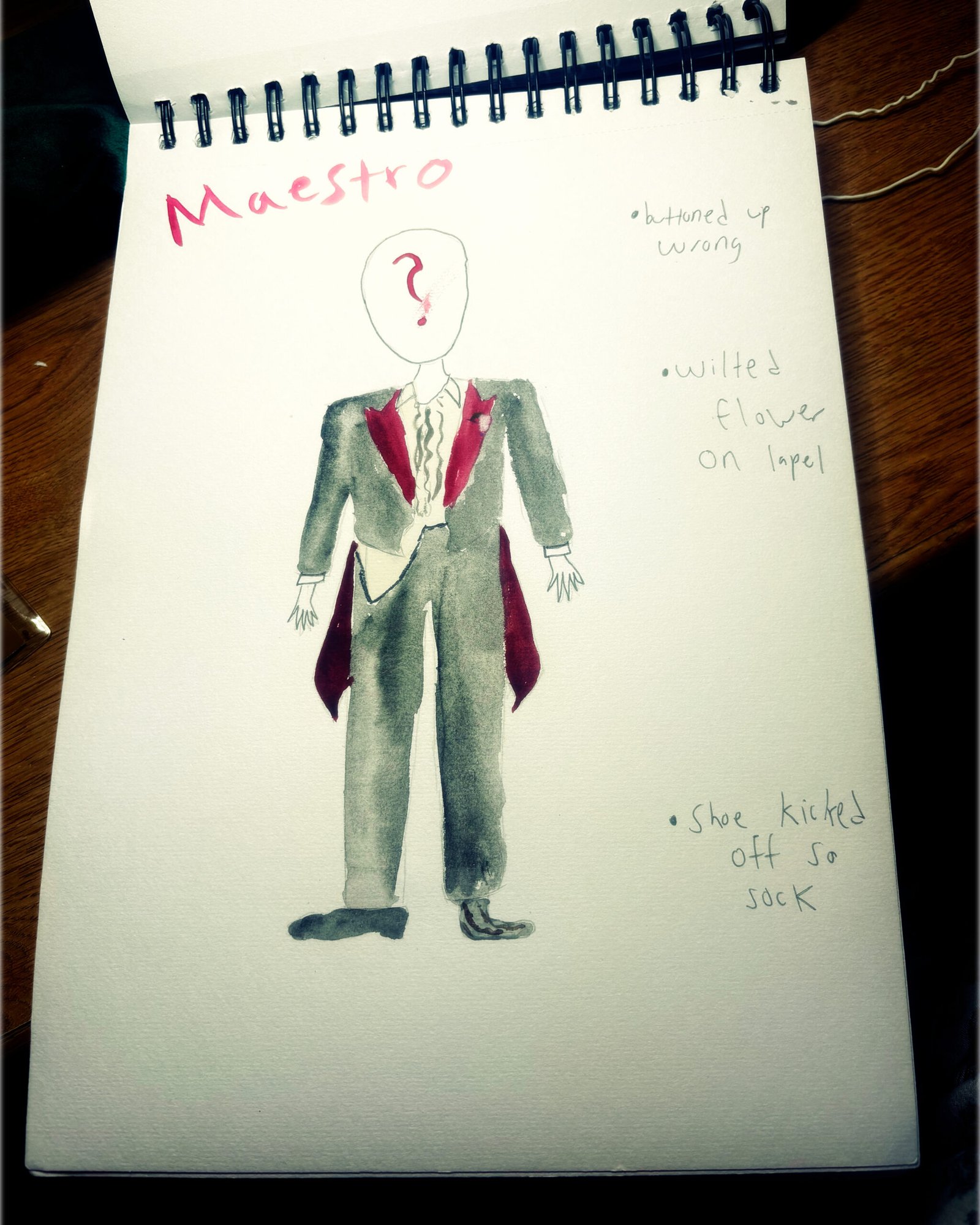
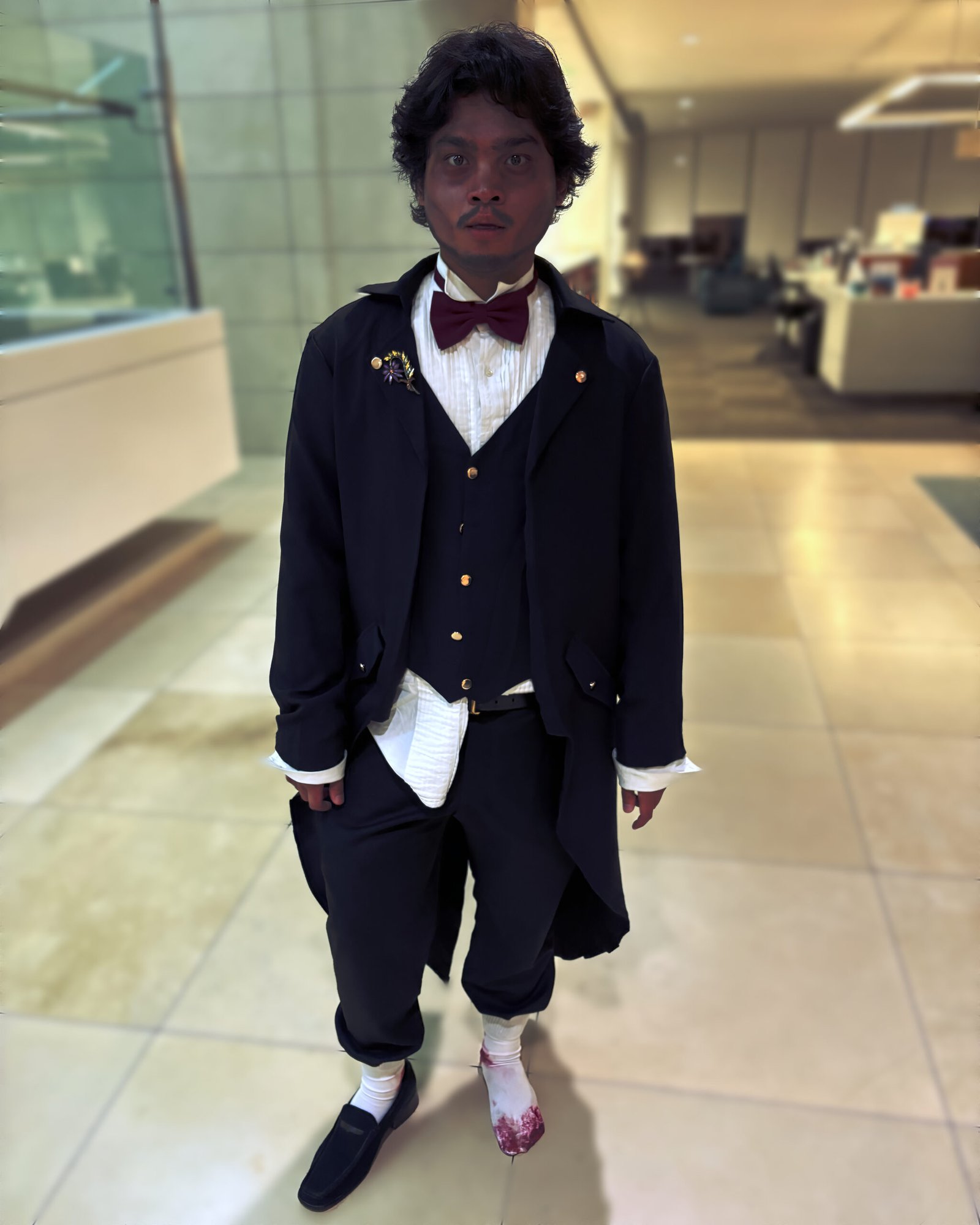
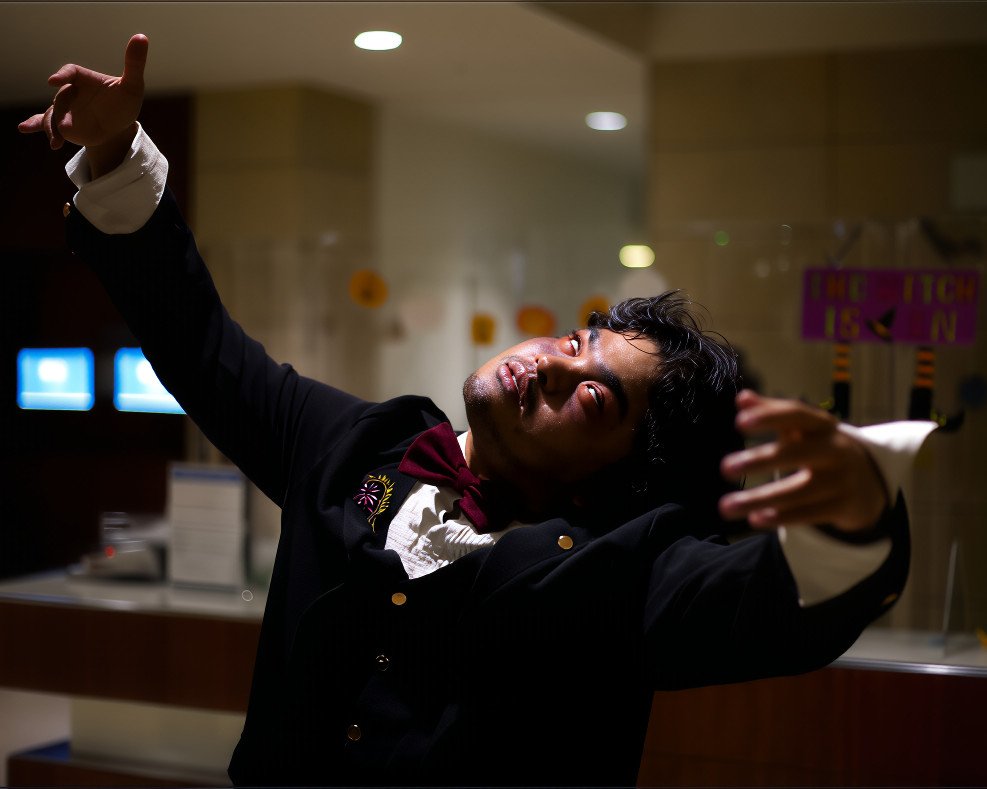
The Maestro
He has been conducting for hours, suit crumpled, things astray. One shoe has been kicked off in a fit of passion while the sock is bloodied from his hours standing.The red accents are deep and rich, like the ghostly orchestra he alone hears. The wilted flower in his lapel is yet another reminder of his obsession, or rather possession, of his craft.
Sketch
Production
Stage
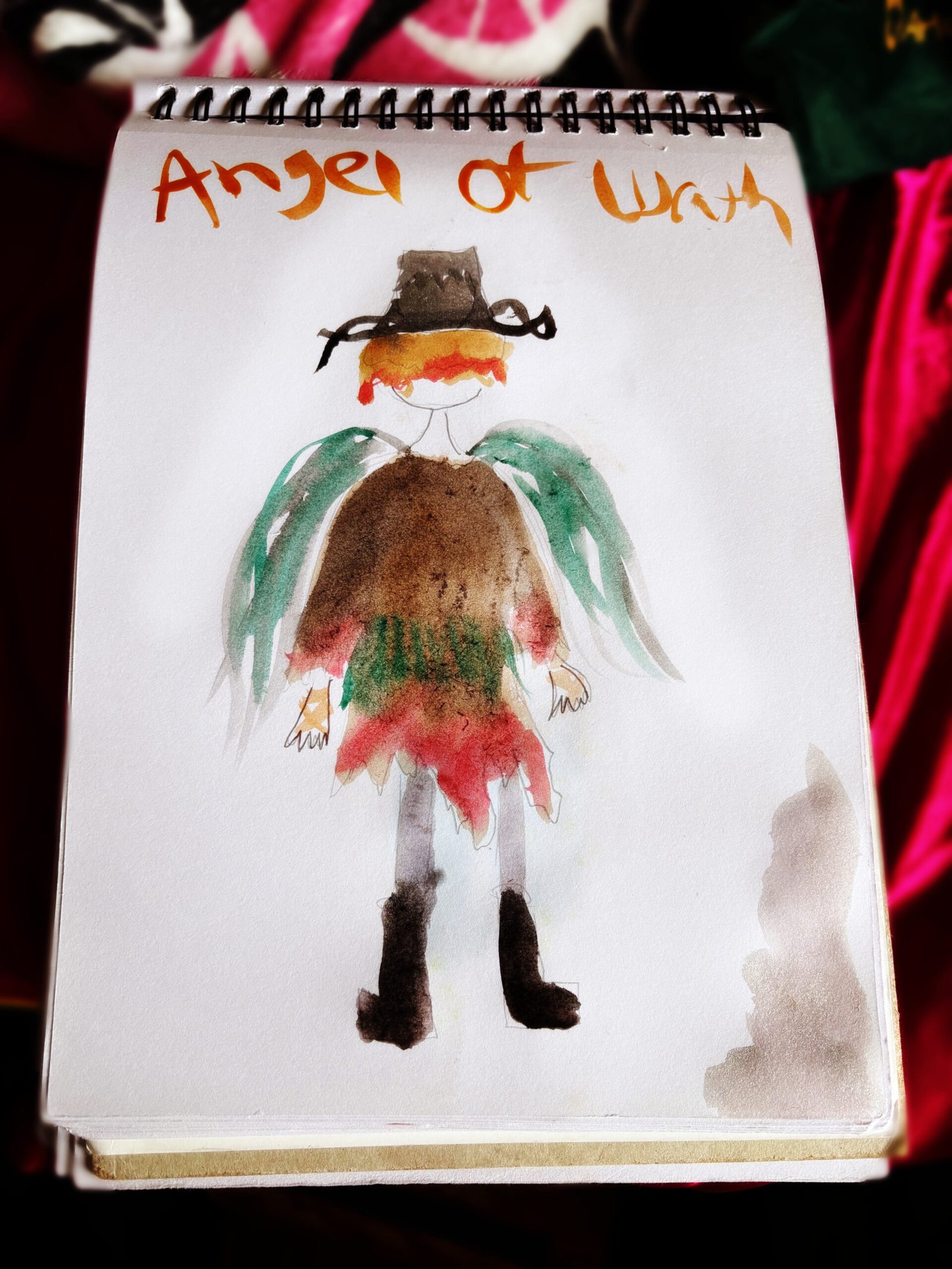
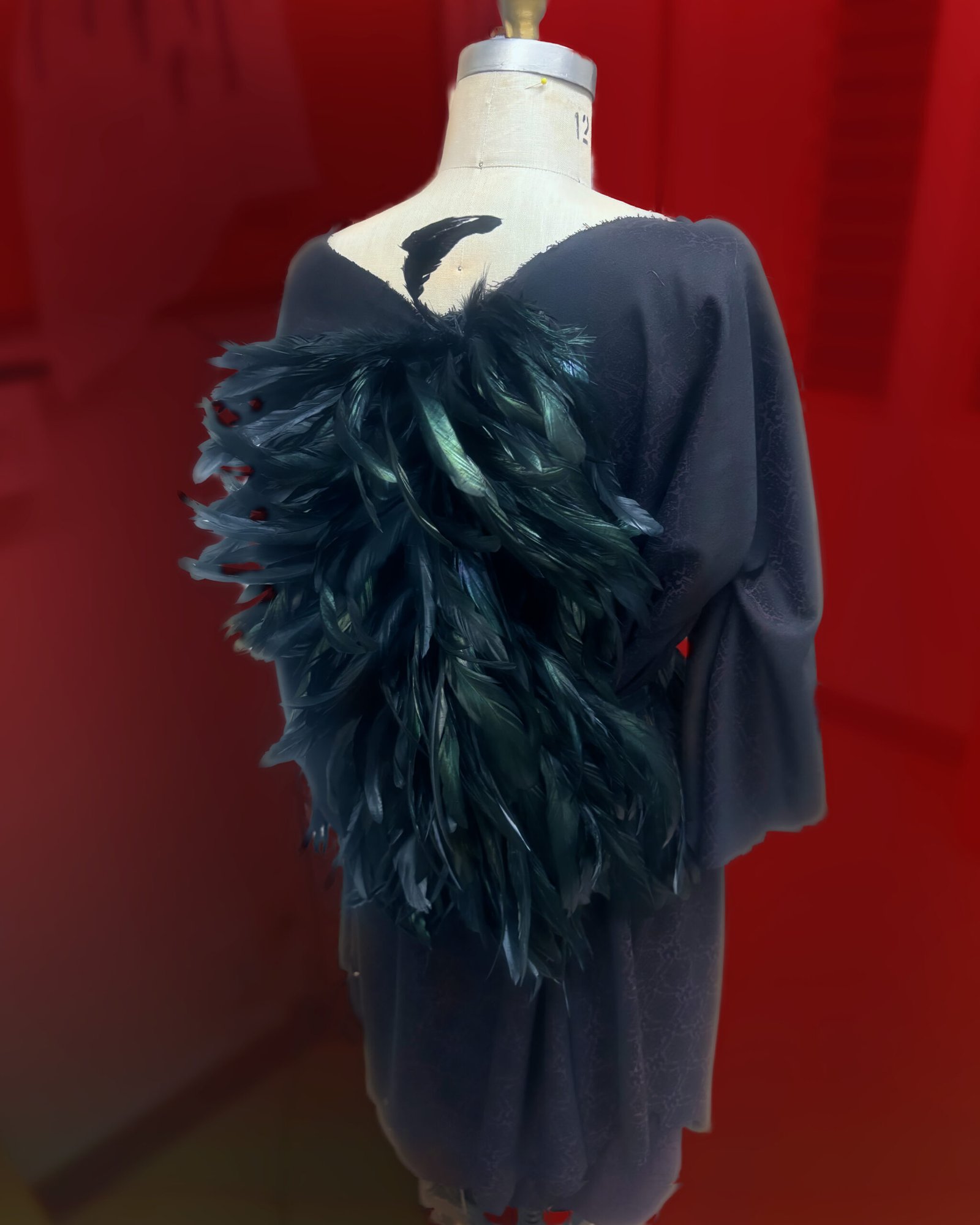
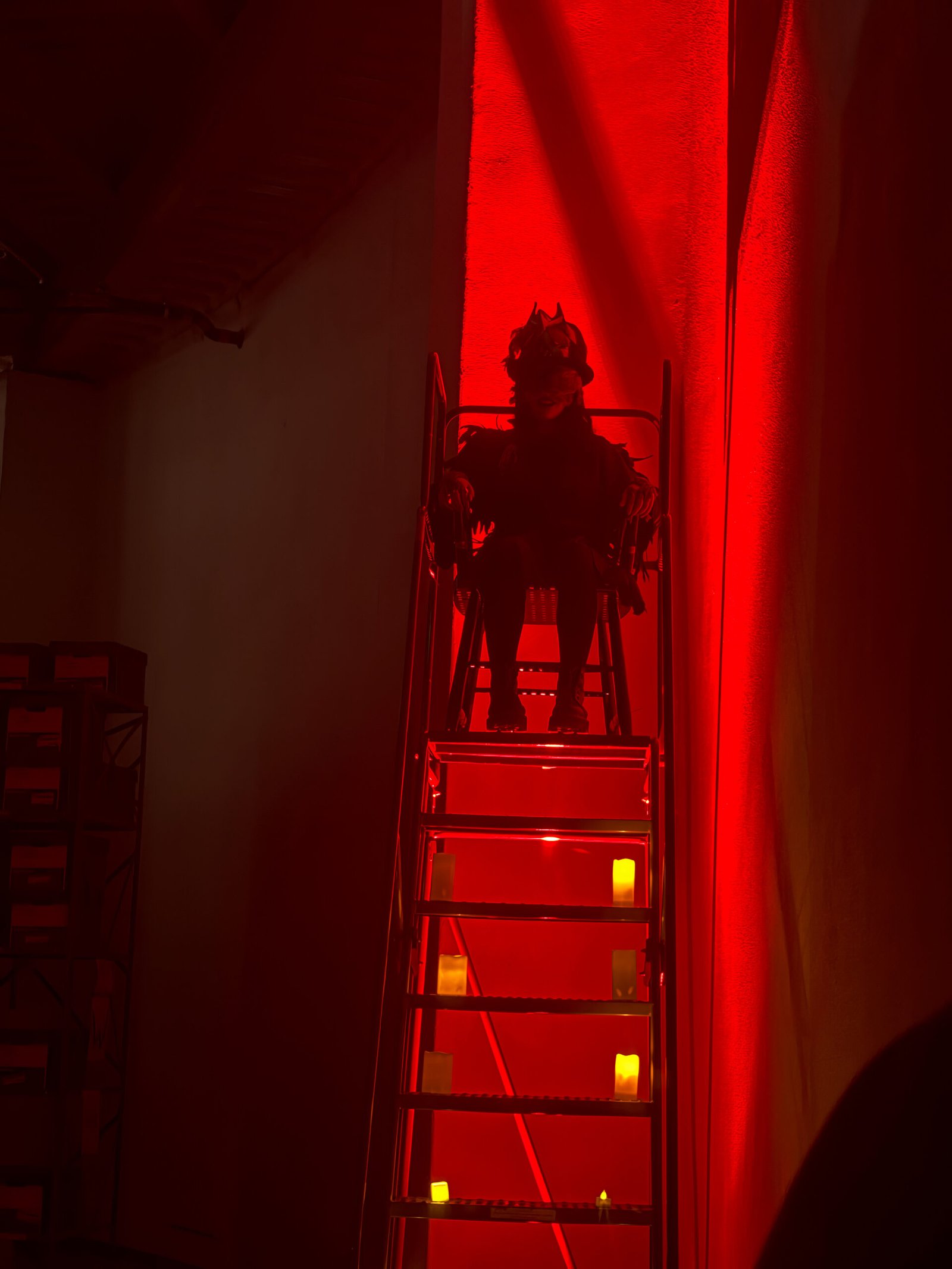
Angel of Wrath
Her wings are stunted and ruffled, more like an irate barnyard bird than anything celestial. She can’t lift herself, so she moves in odd, abrupt flops that are unsettling to watch. The bandages across her eyes hint at violence long past, while the wraps on her hands are worn from constant fighting. She keeps to her elevated nest, overseeing everything from above. The sleeves and hem of her garment are torn by the grasping hands of those she’s dragged back to life, each rip an unintentional signature of her unwanted followers.
Sketch
Production
Stage
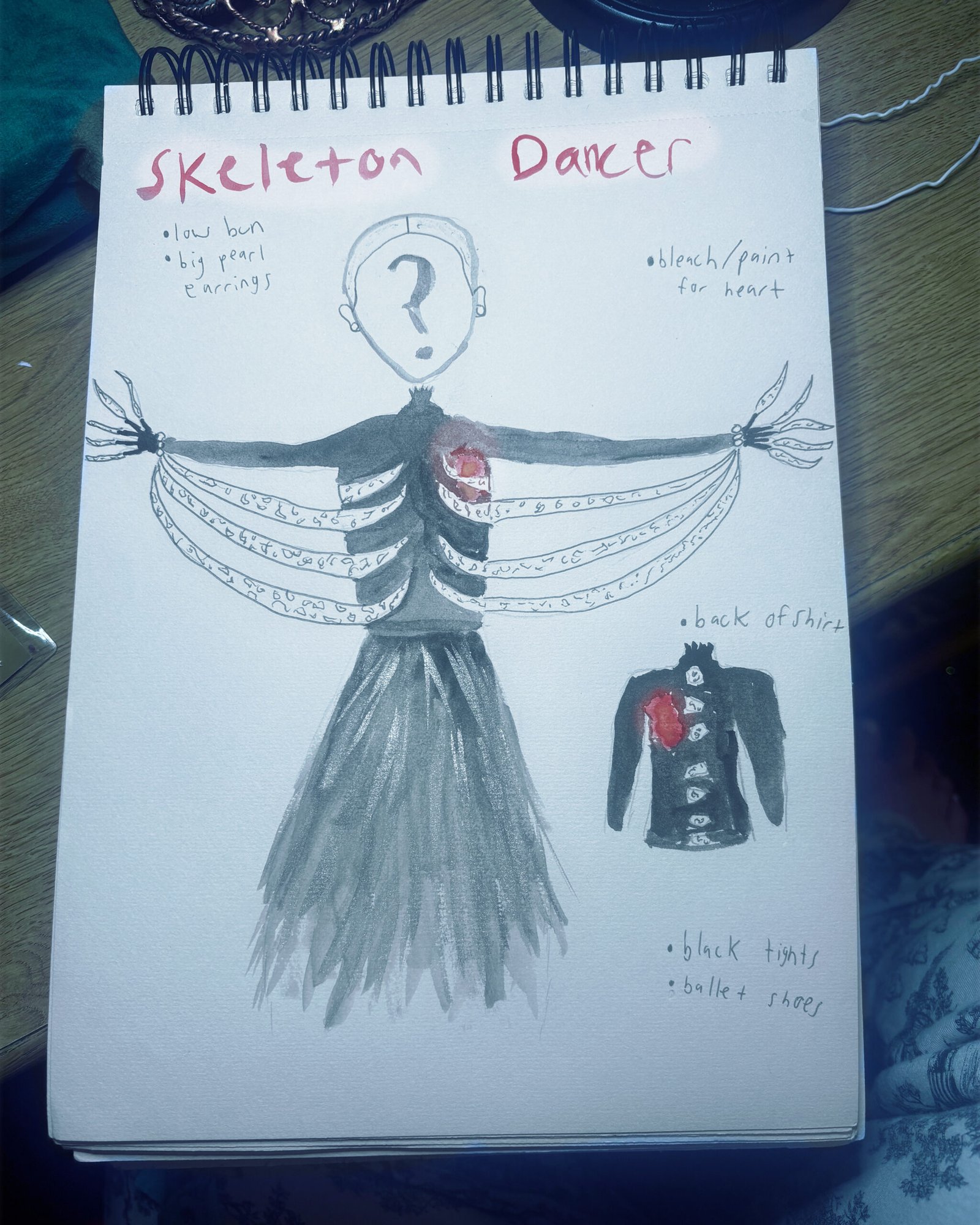
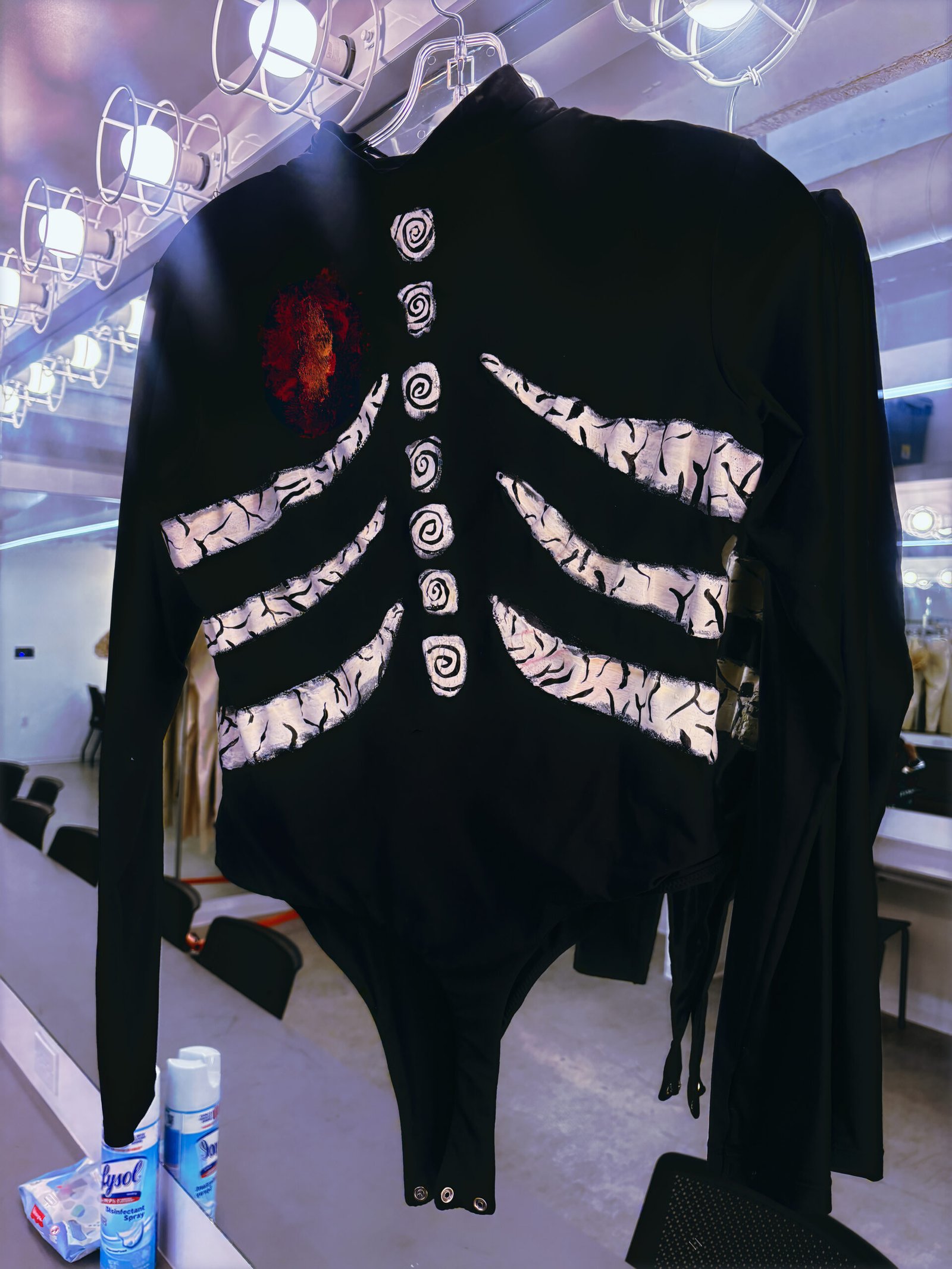
Skeleton Dancers
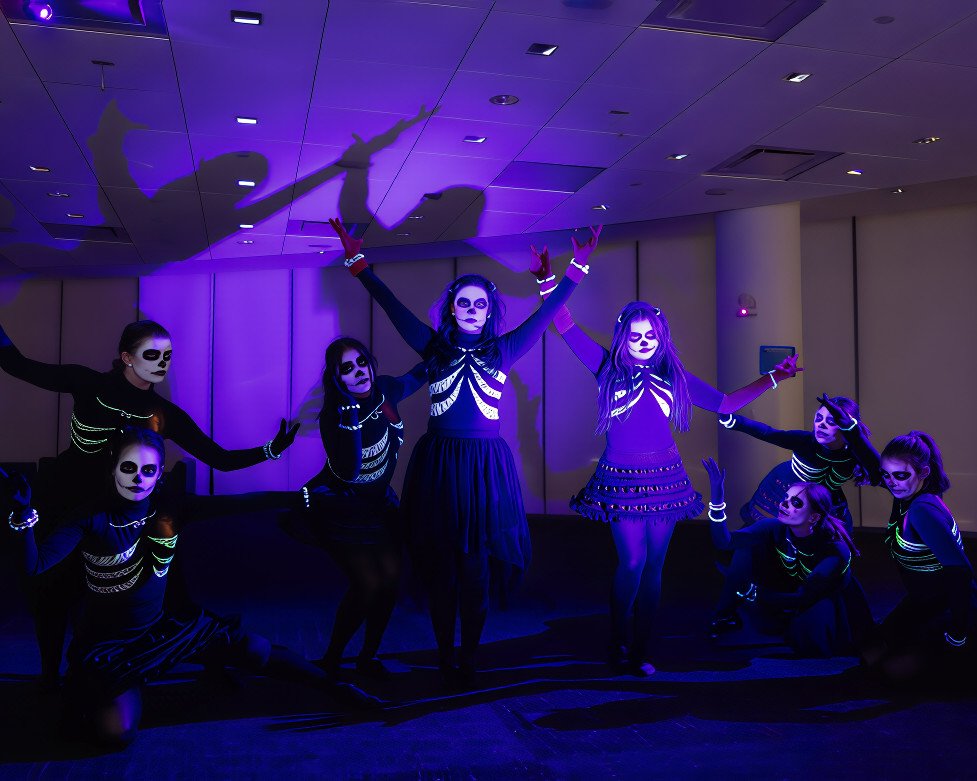
The lacey ribs that extended from the leotard to the wrists would have glow in the dark paint on them, making the bones the centerpiece in the blue lights. The torn tulle skirt would be from these skeletons clawing their way out of their graves to dance one more night on Halloween. The “bleeding heart” was how these skeleton brides died.
The choreography the Skeltons danced to was a mixture of lyrical and waltz. These dancers would crawl on the ground and then waltz beautifully as partners, the long fingers would not only compliment the grace but add a spooky effect of long unhuman fingers.
"Spring Awakening"
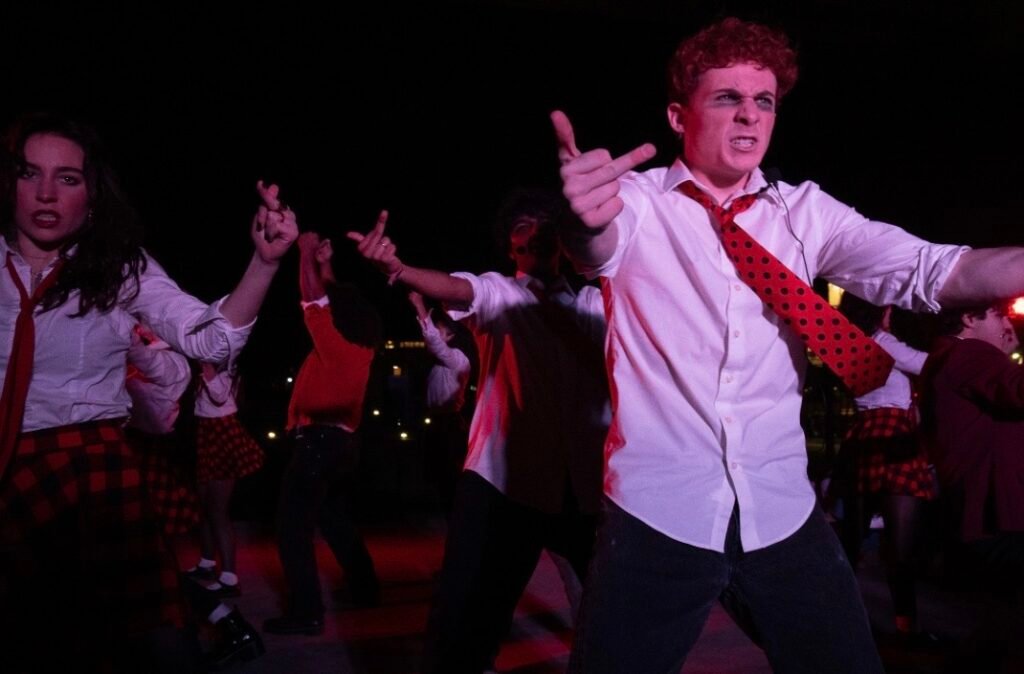
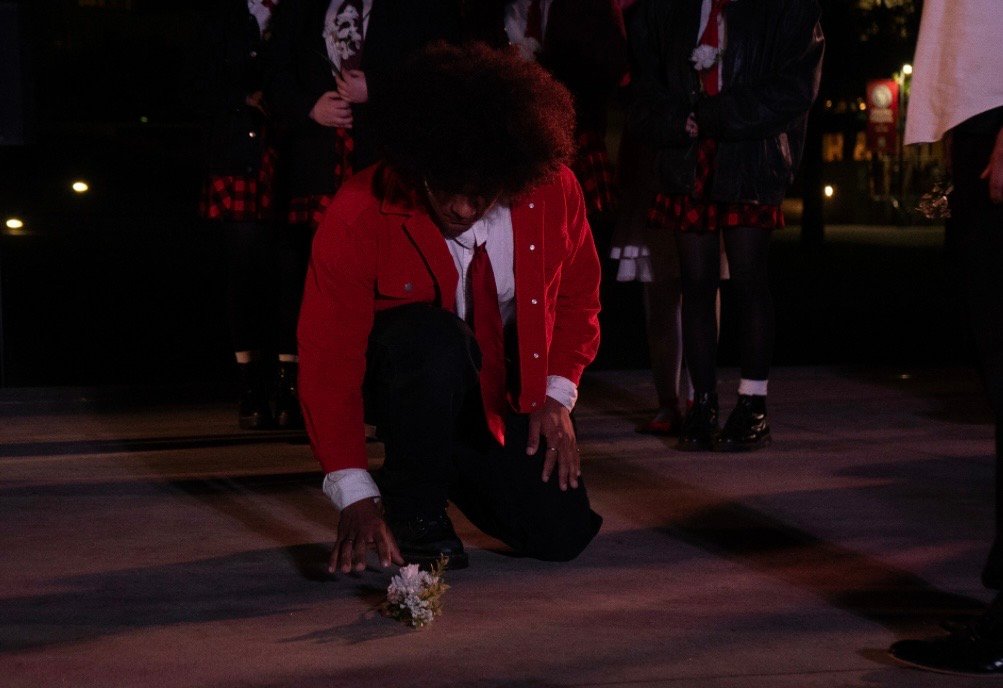
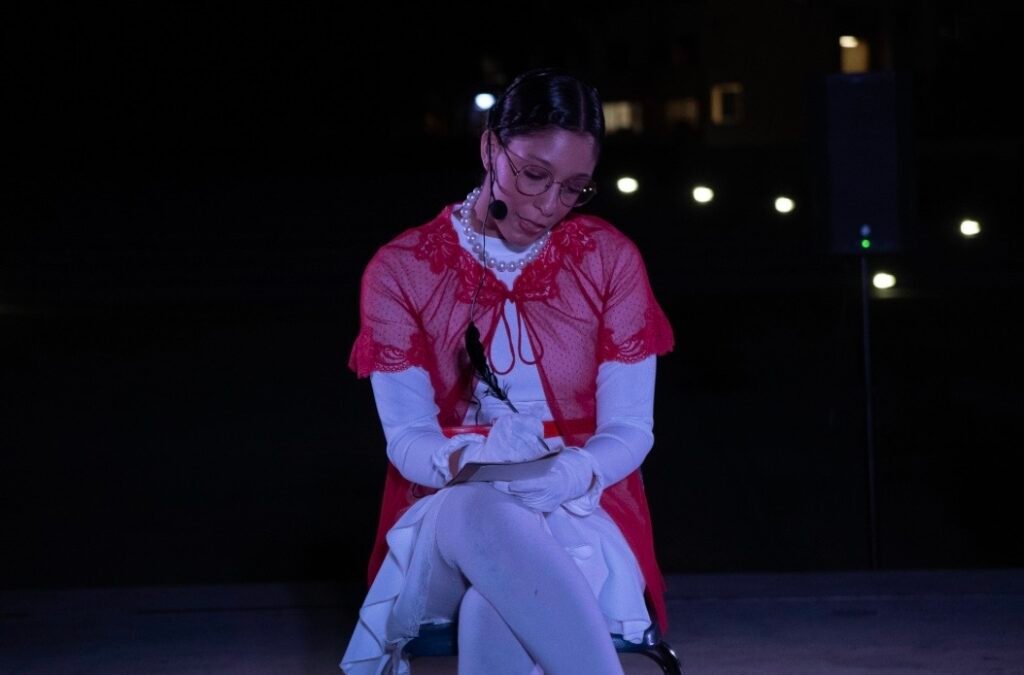
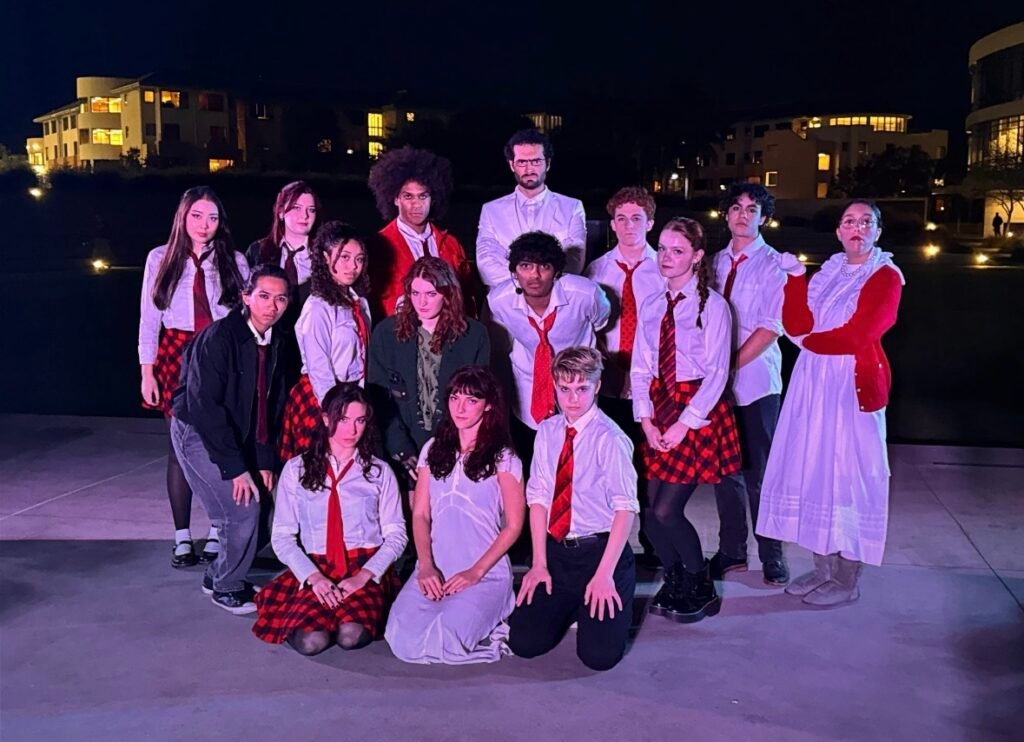
White, a color of purity is used to represent the sterile world these characters reside in. The touches of red on each character are the physical manifestation of the need to blend in, to be like everyone else. Black is now the color of passion, covering the lower part of the body and at one point, Wendla’s entire being.
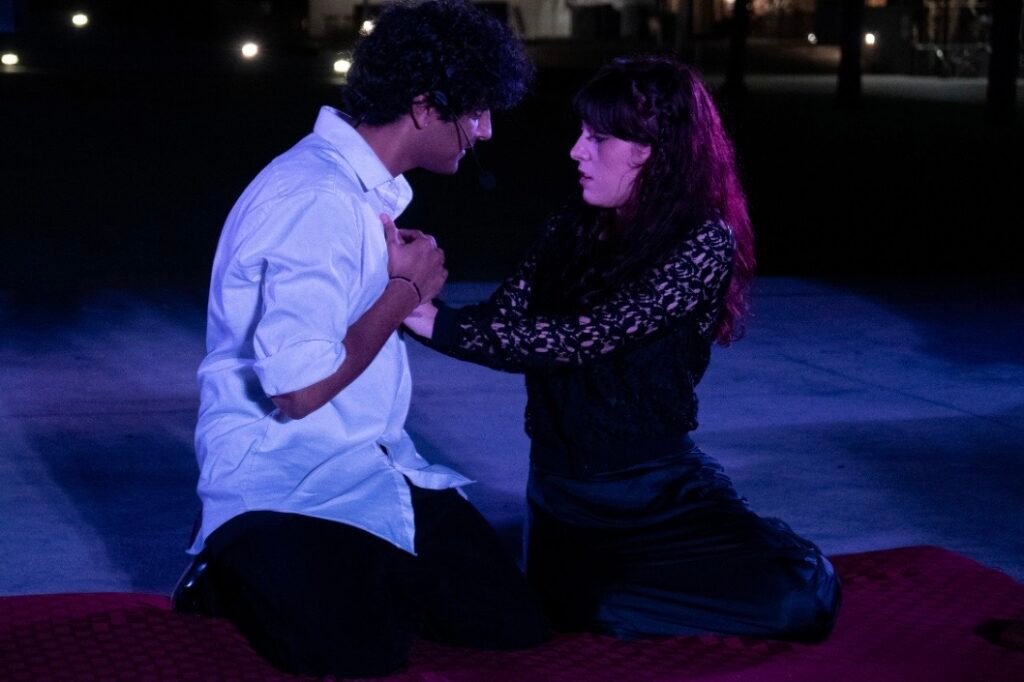
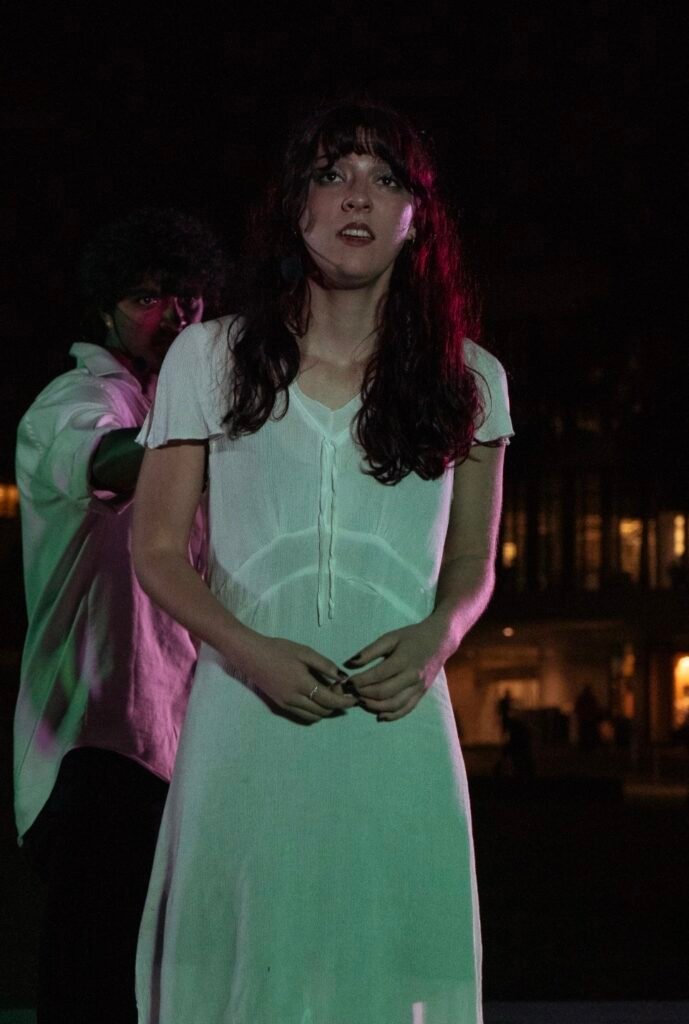
This piece was preformed outside in late December. Despite being in sunny Los Angeles, actors and crew got sick, costumes got dewy causing hair dye to seep into the clothes and thin cotton dresses couldn’t keep out the cold. It was my job to layer, adjust, and create clothing for the actors safety against the natural world.
"Trail to Oregon"
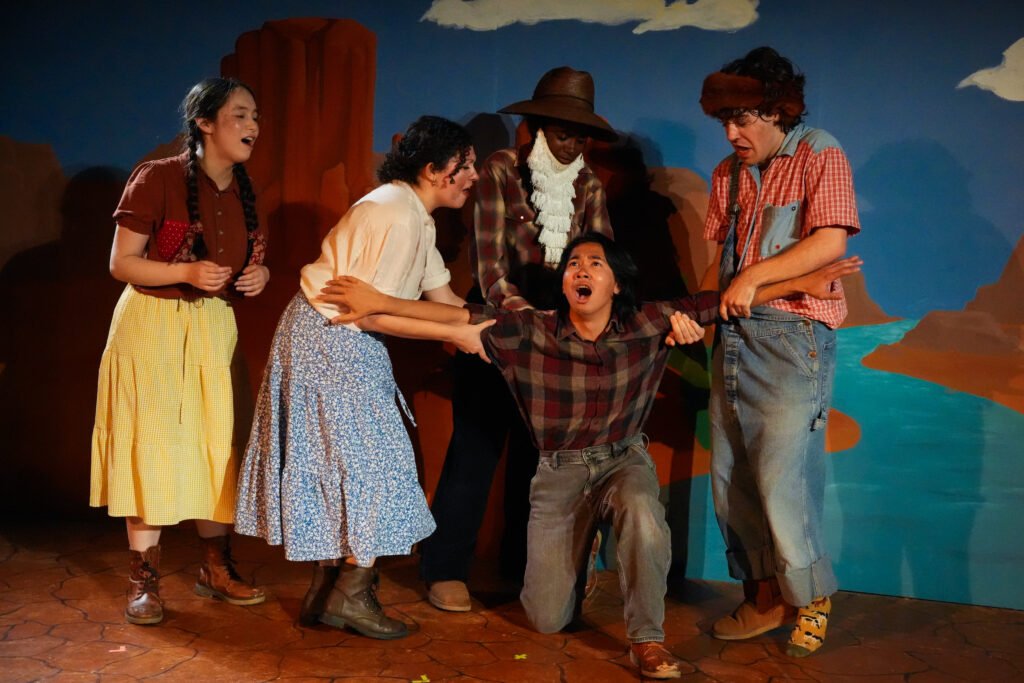
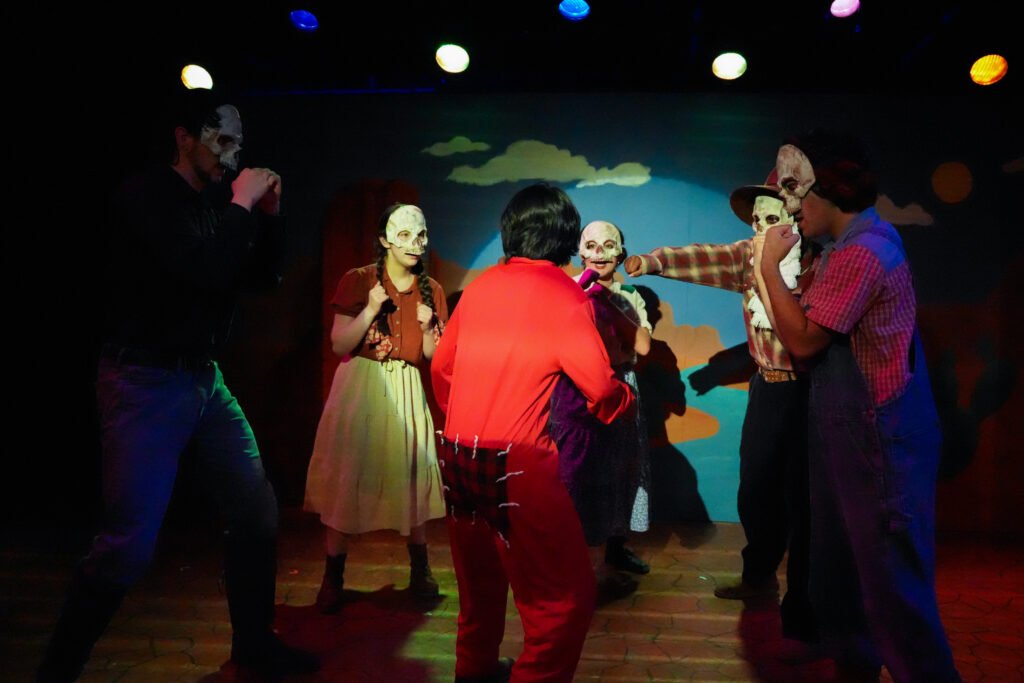
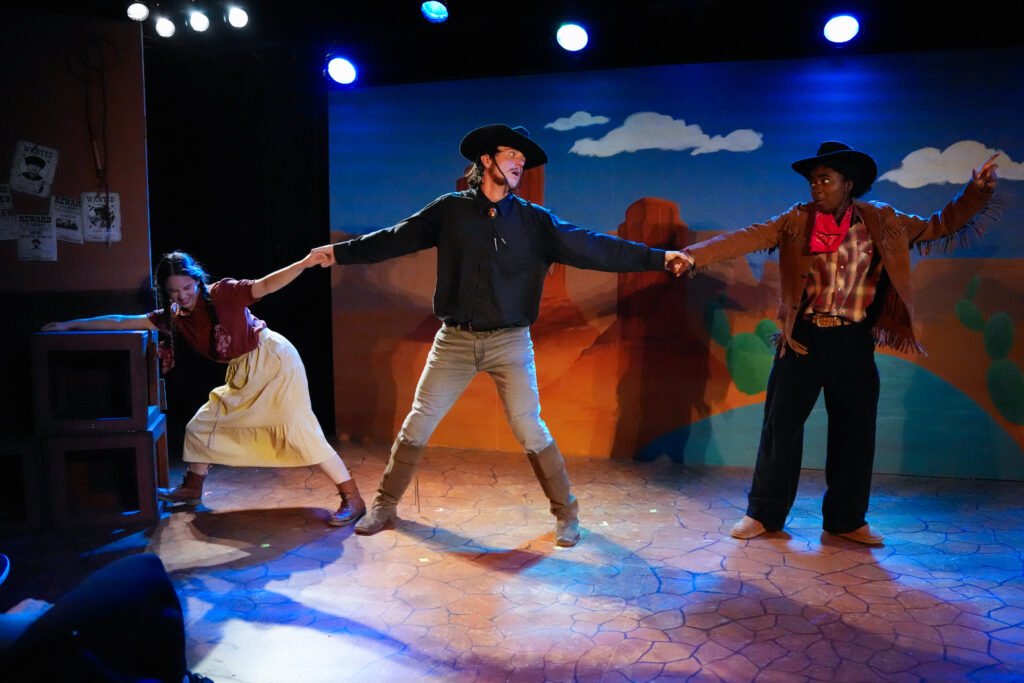
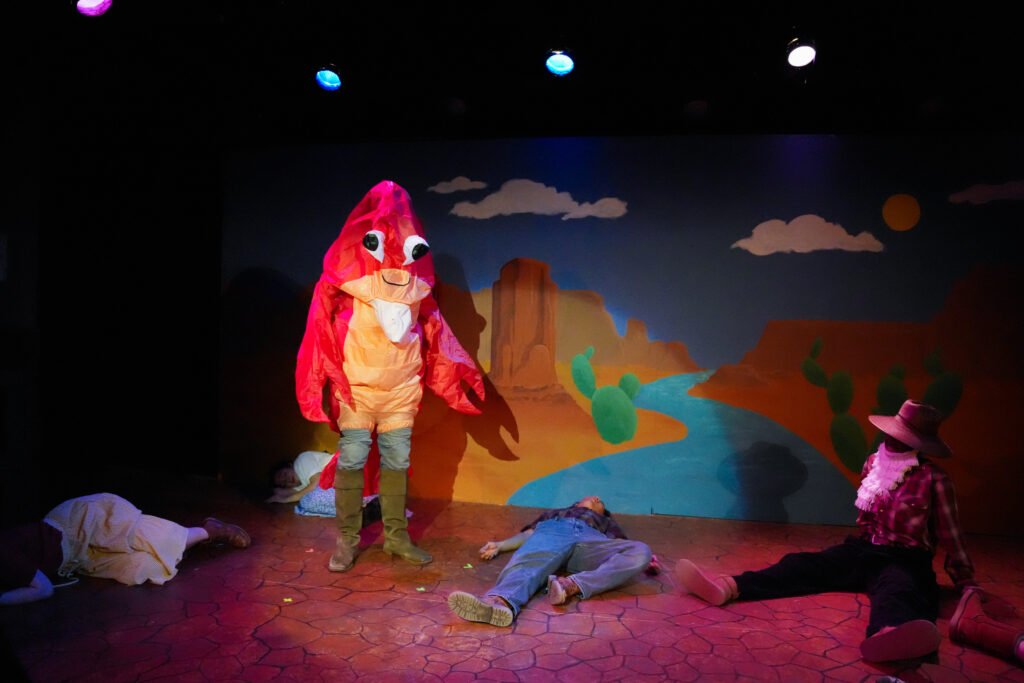
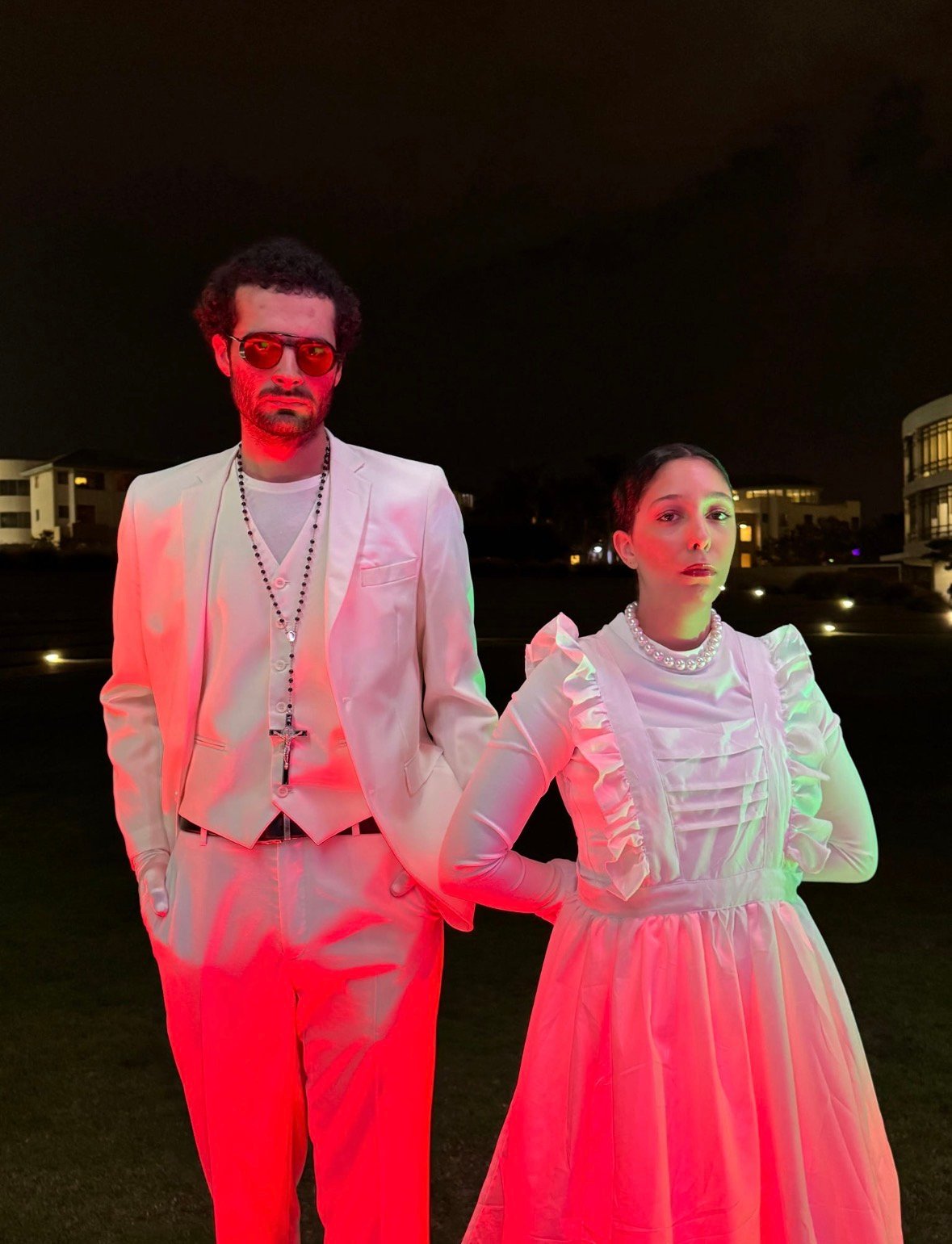
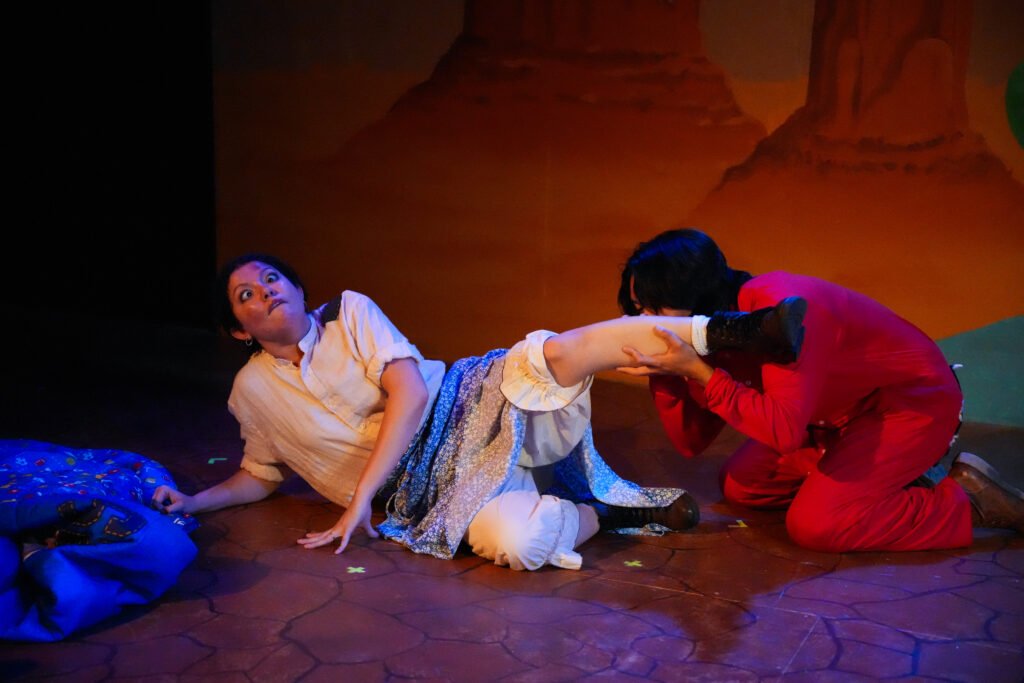
Six actors, a black box theatre, dysentery, and one actor playing ten roles, what could go wrong? I learned how to dress a buffalo family, a bandit king and his gay lover, a lobster and a dysfunctional pioneer family with less than $200. Grandpa’s beard was was made out of my mothers childhood bed skirt and my Grandmothers furs made the perfect Davy Crocket hat that every young pioneer dreams of.
"Trail to Oregon"-Naked and Afraid
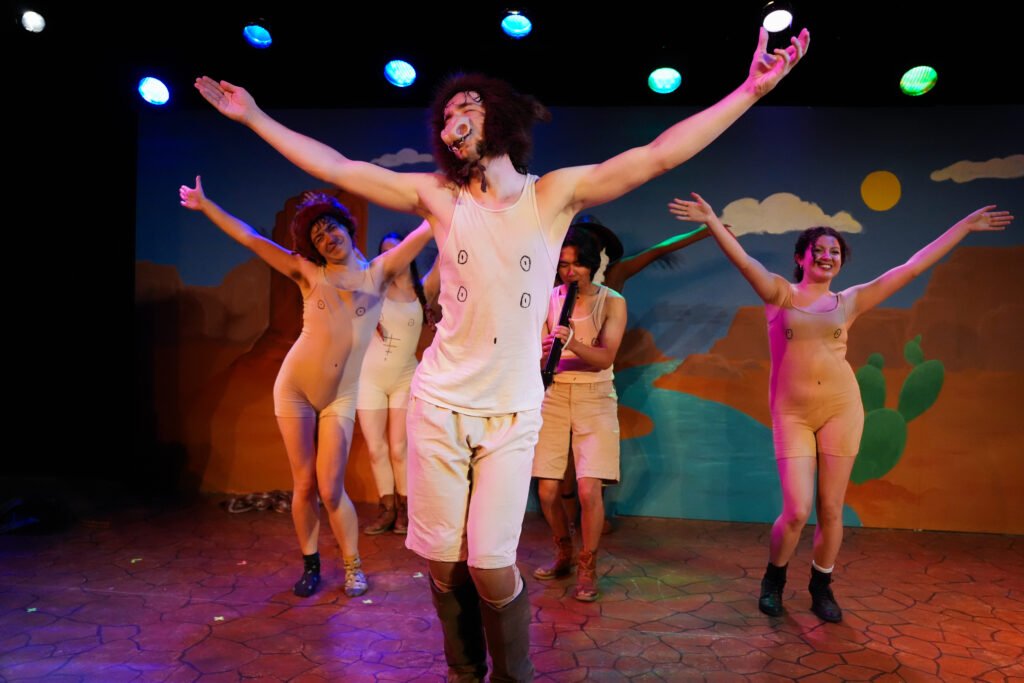
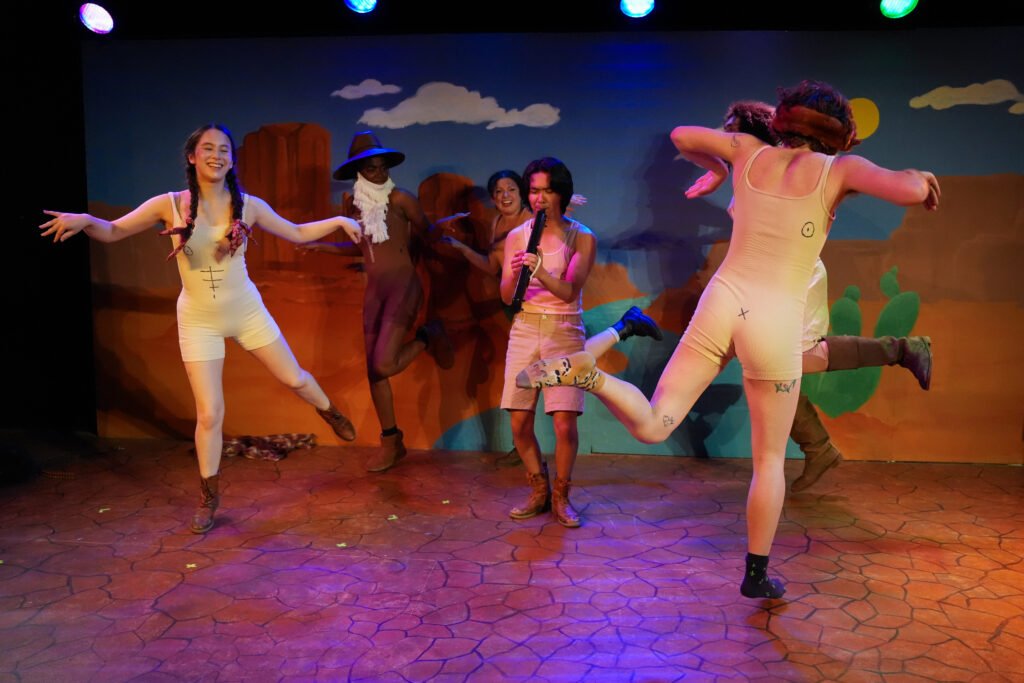
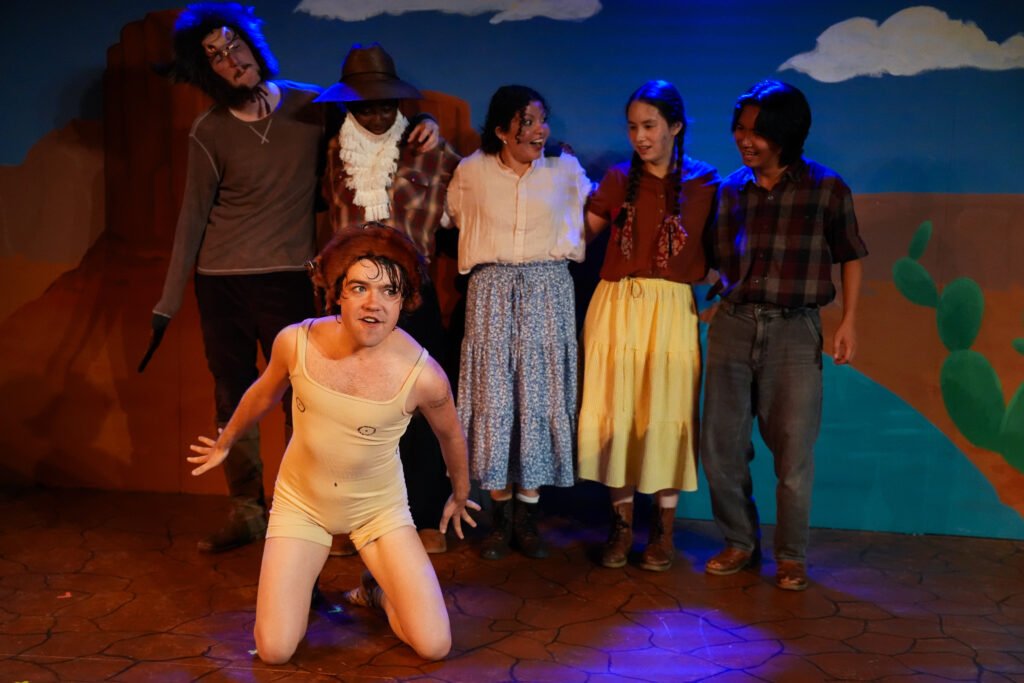
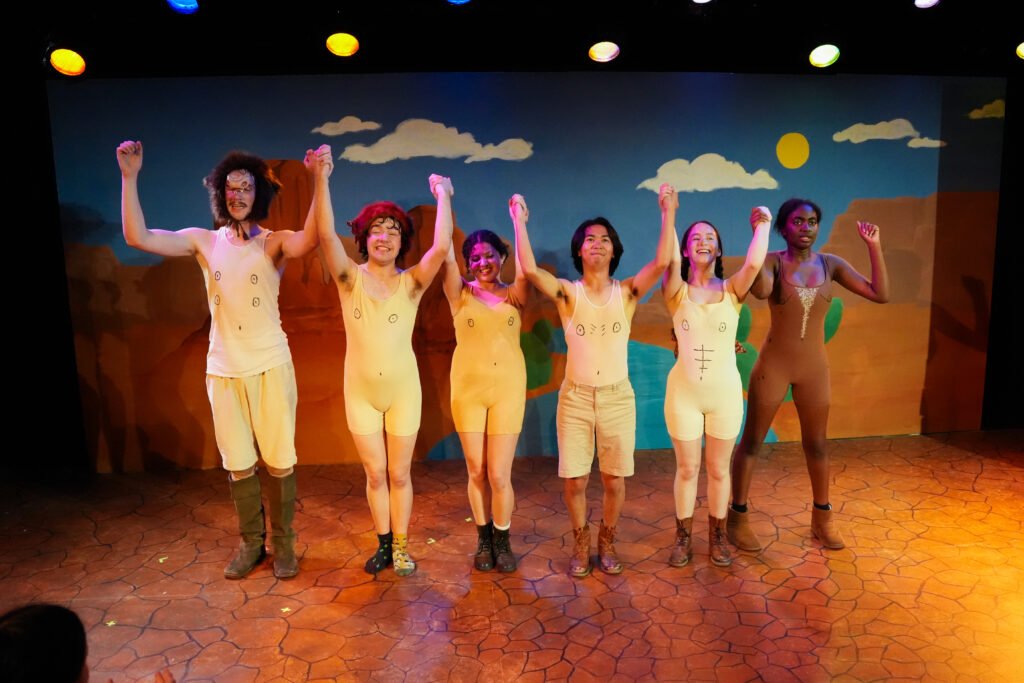
Inspired by Martin Short’s “nude scene”, these obvious-yet-obscene nude illusions, were a hit as the last scene the audience sees. During this process I learned how to communicate to an actor their safety as bodies are sacred and Costumes are insecurities first line of defense.